Cardiac arrest does not await an ambulance. It takes place on beaches, in coffee shops, on walking tracks, and in car parks. In Noosa, with its mix of travelers, retired people, households, and outdoor lifestyle, the possibility of experiencing a medical emergency is higher than lots of people realise. The difference between a disaster and a survival story typically comes down to something: whether somebody nearby understands CPR and fundamental first aid.
A one day CPR course in Noosa is a realistic, practical way to prepare yourself. You do not need a medical background, and you do not require to be incredibly fit. You just need a willingness to find out, a few hours, and a trainer who knows how to translate medical standards into real world action.
This guide strolls through what to get out of CPR training Noosa large, how first aid and CPR courses in Noosa are normally structured, and how to choose an emergency treatment course Noosa locals can trust. It also explains why a CPR refresher course Noosa residents often hold off is actually among the most crucial professional and individual investments you can make.
Why CPR training matters so much in Noosa
Noosa's way of life is constructed around water, walking, biking, and socialising outdoors. That is precisely where lots of emergencies unfold.
I have actually seen heart attacks take place in places that look completely harmless: a peaceful breakfast area on Hastings Street, a parking lot at Noosa Civic, a shaded course by the river. Individuals often assume emergency situations occur only to the very old or extremely unhealthy. In practice, emergency treatment Noosa service providers routinely see events affecting people of all ages:
A middle aged visitor collapses from sudden heart attack while climbing the stairs from the beach.
A young child starts choking on food in a busy restaurant.
An older resident faints and stops breathing appropriately at the Sunday markets.
In each of these examples, the first couple of minutes are vital. Paramedics in the Noosa area are highly proficient, but they still require time to eliminate traffic, distance, and access to reach the patient. The individual who makes the real distinction is typically a spectator who knows exactly how to begin CPR and use an AED.
That is where structured first aid training in Noosa ends up being more than a certificate for work. It ends up being a neighborhood safety net.
What a one day CPR course in Noosa generally includes
When people hear "CPR course Noosa", they in some cases picture a dry lecture with a single plastic manikin. Modern courses look very various. A well run Noosa emergency treatment course will typically integrate short theory sectors with lots of hands on practice, repeating, and scenario based training.
Most suppliers in the region follow the existing Australian Resuscitation Council guidelines and offer nationally recognised systems. Exact course codes can differ gradually, however the core skills remain consistent.
In a concentrated CPR course in Noosa, you can anticipate to cover:
- Recognising cardiac arrest and when to start CPR Performing high quality chest compressions and rescue breaths on adult, kid, and infant manikins Using an automated external defibrillator (AED) with confidence Managing an unconscious but breathing individual with the healing position Basic airway management, including choking response
If you book a combined emergency treatment and CPR course Noosa based, you will typically go further into wider emergency treatment Noosa scenarios: bleeding, shock, burns, fractures, asthma, anaphylaxis, and more. Lots of residents pick that choice once every few years, then do much shorter CPR refresher courses Noosa broad each 12 months to keep their abilities current.
First aid course Noosa vs stand alone CPR: which do you need?
People typically ask whether they need to book a complete Noosa first aid course or just a CPR course. The answer depends upon your role, your work environment, and what you are trying to achieve.
If you work in child care, education, physical fitness, aged care, or hospitality, your employer or regulator will normally specify precisely which system or mix you need. Lots of positions require both first aid and CPR Noosa recognised certificates. Training providers in town will usually promote courses in a few formats:
A one day first aid and CPR course Noosa based, that includes CPR as part of the broader program.
A shorter CPR only course, generally around 2 to 4 hours deal with to deal with, often supported by pre course online learning.
Periodic advanced first aid training Noosa broad, aimed at work environment emergency treatment officers or those managing greater threat environments.
If your primary concern is being able to step in throughout a heart attack, CPR training Noosa style is a strong starting point. If you wish to feel ready for a wider range of injuries and diseases, look for emergency treatment courses Noosa broad that include a complete first aid component.
From a company's point of view, a combined emergency treatment and CPR course in Noosa is frequently the most efficient way to keep staff certified. Staff attend one Noosa emergency treatment training day, total all the needed assessments, and leave with a nationally identified emergency treatment certificate Noosa offices accept. They then return for much shorter CPR updates each year.

What a common CPR training day in Noosa feels like
An excellent course need to feel structured but not hurried. The exact schedule differs in between companies like First Aid Pro Noosa or other local organisations, but the rhythm tends to be similar.
You show up to find manikins already established on mats. Fitness instructors generally start with a clear introduction of how the day will run and what assessments are involved. The emphasis is on useful competence instead of scholastic perfection. If you have not studied for years, that reassurance matters.
Theory areas are frequently provided in other words segments. You might cover how the heart and lungs work, what "cardiac arrest" really suggests compared with a heart attack, and why early defibrillation doubles or triples survival oftentimes. Fitness instructors with field experience add colour here, sharing what they have actually seen on the road or in workplaces.
Then the practice starts. Expect to spend a considerable part of the session on the floor, practicing compressions on adult, kid, and infant manikins. The first few rounds feel awkward. Many individuals discover they have actually been pushing too gently or too slowly in the past. An experienced instructor will stand next to you, fix your hand position, and coach your rhythm until the depth and speed are right.
Modern courses in some cases utilize manikins with feedback signs that light up when you struck the ideal depth and rate. That instant feedback constructs confidence quickly.
AED practice is another crucial piece. You will open fitness instructor gadgets, apply pads to the manikin, and hear the prompts as the gadget "analyses" and "shocks." After a few runs, what as soon as felt intimidating starts to feel regular, which is the entire point.
By the end of a strong CPR course Noosa citizens should feel able to:

Speak up and take charge when someone collapses.
Direct others to call triple zero and bring the nearby AED.
Begin compressions without waiting on approval or equipment.
Keep going until paramedics take over.
That confidence shift is one of the most striking modifications trainers see across the day.
Combining first aid and CPR: a wider safety net for Noosa
CPR is the heading skill, but it is rarely the only thing needed at an emergency scene. That is where integrated first aid and CPR courses Noosa based come into their own.
Consider a surf club volunteer responding to a teenager pulled from the water. They may require to handle hypoxia, prospective spine injury, shock, and hypothermia, in addition to the risk of cardiac arrest. Or a child care employee at a Noosaville centre confronted with an anaphylactic response. CPR is vital if breathing stops, however early usage of an adrenaline car injector and good air passage placing can avoid deterioration in the first place.
A detailed Noosa first aid course normally layers these skills:
Recognising warning symptoms early, such as chest discomfort, trouble breathing, slurred speech, or transformed consciousness.
Utilizing simple tools like asthma puffers, spacers, automobile injectors, and plasters correctly.
Handling bleeding, burns, fractures, sprains, and environmental injuries like heat exhaustion.
Communicating plainly with emergency situation services so they find you much faster and arrive much better prepared.
When people discuss "Noosa emergency treatment courses", they frequently suggest this type of combined program. It provides a more complete toolkit for real life scenarios, particularly in families with children, older family members, or individuals with chronic conditions.
How long does a first aid and CPR course in Noosa truly take?
Marketing in some cases explains programs as "one day" or "half day," which can be complicated. Here is how it normally operates in practice.
A full emergency treatment and CPR course Noosa wide typically runs as a single, intensive day with around 6 to 8 hours of face to deal with training. Numerous service providers utilize a blended model, where you complete reading and test design evaluations online before you get here. That keeps the classroom concentrate on doing rather than reading.
Standalone CPR courses Noosa citizens book for annual refreshers tend to be shorter. Expect approximately 2 to 3 hours on website, once again with some pre course learning. That format fits busy employees and makes it much easier for employers to set up mandatory training without losing an entire day of productivity.
Always examine the details when you book. "First aid training in Noosa" on a site might describe:
A complete day emergency treatment course including CPR.
A short CPR only session.
A specialised course such as childcare emergency treatment, which may be a little longer due to extra content.
If you are uncertain, ask the provider to verify overall hours, mode of shipment, and whether any online cpr course Noosa work is needed before the day.
What makes Noosa first aid training reliable, not simply compliant
Not all training feels equivalent from the student's side, even when the certificates look the exact same on paper. Over the years, I have seen a few aspects that regularly different unforgettable, effective Noosa emergency treatment training from forgettable sessions that fade within weeks.
Trainers with real field experience, whether from paramedicine, nursing, emergency situation services, or extensive work environment first aid functions, tend to ground circumstances in truth. They do not simply recite guidelines, they describe how things actually unfold throughout a 3 am callout or a disorderly factory incident.
Class sizes matter too. If a first aid course in Noosa squeezes too many people into one space, practice time per person drops. Try to find providers who cap class numbers and make sure lots of manikins and devices so you are not spending half the course waiting your turn.
Local understanding is another possession. Trainers based in Noosa comprehend the particular risks around surf beaches, hinterland hiking, marine stings, heat and humidity, and tourist heavy environments. They can customize examples to the locations you in fact invest your time.
Assessment style matters. The most helpful Noosa first aid courses simulate real circumstances, not just tick boxes. You may react to a staged collapse in the space, coordinate with schoolmates, and talk through your actions afterward. Those experiences build muscle memory and communication abilities that written tests cannot.
When comparing choices, do not think twice to ask companies in advance how they structure training. The quality of their response frequently mirrors the quality of the course.
Choosing the right first aid course Noosa provider
With numerous organisations offering emergency treatment training Noosa broad, a couple of basic checks can assist you select well.
- Confirm national recognition and currency of systems. Ask for the precise unit codes and validate that the certificates stand for your market or regulative body. Ask about class size and practice time. Go for sessions where you will get multiple rounds of hands on CPR practice, not just a fast presentation. Check trainer backgrounds. Providers like First Aid Pro Noosa and comparable organisations typically highlight that their trainers have medical or emergency field experience. That type of background enriches learning. Look at location and schedule. Courses kept in main Noosa, Noosaville, or close-by enterprise zones can be much easier for staff to reach, especially if you are scheduling group training. Read recent evaluations, concentrating on remarks about how positive participants felt later, not just how "easy" the assessment was.
If you are responsible for organising workplace emergency treatment courses in Noosa, it deserves talking straight to the training organisation instead of just scheduling through an online type. Good companies will ask about your environment, risks, and staff roles before suggesting a program.
How often ought to you do a CPR refresher course Noosa wide?
Guidelines and industry practice change gradually however progressively. Compression depth, series of actions, emphasis on breathing versus compressions, and AED use have all developed throughout the years. Somebody who last trained a decade back will discover a modern-day course looks quite different.
Medically, CPR abilities start to decay within months if not practiced. That is why Australian medical bodies generally advise CPR refresher training every 12 months. Many Noosa employers follow this cycle automatically.
For full emergency treatment certificates, the typical renewal duration is every 3 years, with annual CPR updates. So you might finish a complete Noosa first aid course one year, then book shorter CPR courses Noosa based in the following two years, before repeating the complete program in year four.
If you find CPR physically requiring, do not let that put you off refreshers. Fitness instructors can demonstrate how to adjust positions, use body weight efficiently, and turn rescuers safely. In a genuine occasion, even a few minutes of excellent quality CPR can purchase important time.
Practical suggestions for keeping your first aid skills sharp
Completing emergency treatment training in Noosa is the beginning line, not the surface. The objective is to preserve sufficient familiarity that, if something happens at Main Beach or in your own living-room, you can act without freezing.
Between courses, a few easy habits assistance:
Visualisation makes a difference. Next time you pass an AED cabinet at the shops or by the browse club, mentally rehearse opening it, using pads, and following the triggers. It takes seconds but strengthens pathways in your mind.
Talk about situations with family or associates. Ask easy questions: "If among us collapsed at this barbecue, who would call triple absolutely no, who understands where the closest AED is, and who would start compressions?" Brief discussions like that expose gaps long before a crisis.
Keep a little emergency treatment package where you can reach it. Households in the location often have scattered products in bathrooms, cars, and boats. Consolidating them into a clear, available kit supports your training and decreases scrambling when seconds count.
If your Noosa emergency treatment certificate is a requirement for work, try to schedule refreshers a month or two before expiration. That buffer decreases the threat that a hectic duration will press your training out of date.
Some people find value in casual "abilities checks" in between courses. Practise compressions on a company cushion in your home while timing your rate to a tune with roughly 100 to 120 beats per minute. It feels a little odd, but it keeps the motion familiar.
Common questions about first aid courses in Noosa
People brand-new to emergency treatment courses Noosa broad often raise similar issues. A couple of turned up so frequently they deserve dealing with directly.
"Am I legally protected if I try to assist?"
Queensland has Good Samaritan protections for people who provide emergency situation help in good faith and without gross negligence. Training does not make you legally accountable by default. Doing nothing when you might have assisted is normally the higher ethical weight.
"What if I do CPR wrong and injure the individual?"
Rib fractures can and do take place throughout effective CPR, particularly in older grownups. Trainers in Noosa first aid courses address this frankly. Cracked ribs are treatable. Lack of blood circulation to the brain is not. If the person is in heart attack, breathing and flow have actually currently stopped. Your actions can just enhance their chances.
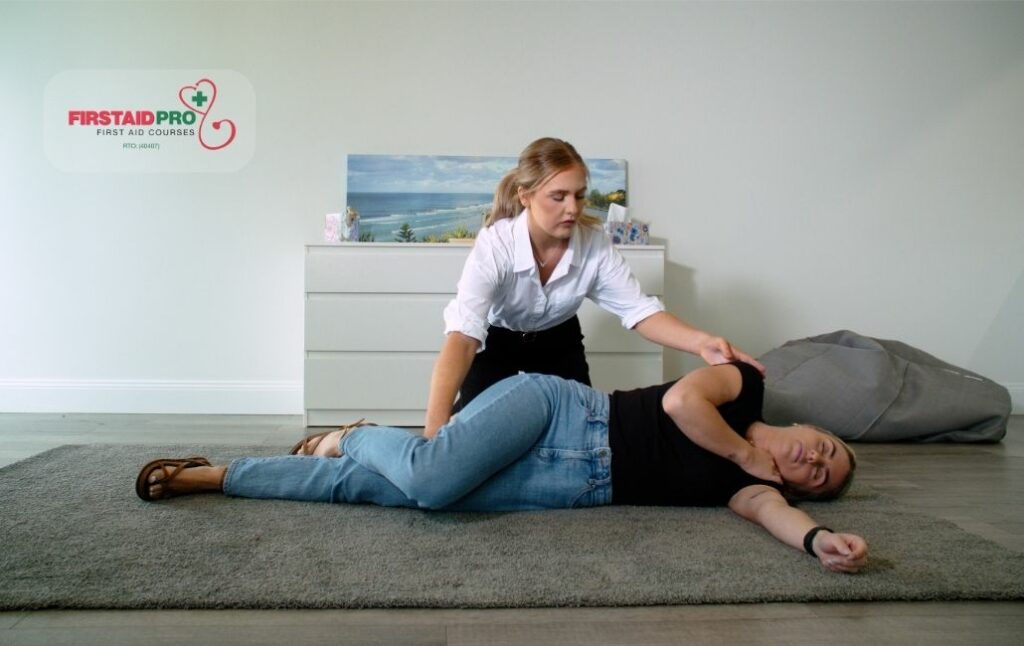
"Do I have to provide mouth to mouth?"
Modern standards focus heavily on high quality chest compressions. In many cases, particularly with untrained bystanders, compression only CPR is encouraged. In a course, you will learn both methods and how to adjust to the situation, your relationship to the person, and the devices available, such as face shields.
"I am not extremely strong. Can I still do CPR?"
Technique and body position matter more than brute strength. Fitness instructors spend time helping individuals of any ages and develops find positions that let them utilize body weight effectively. Numerous participants are surprised by what they can do after practice with appropriate mechanics.
"I get anxious about examinations. What if I stop working?"
Assessment in a Noosa emergency treatment course has to do with demonstrating safe, effective action, not excellence under exam hall pressure. Fitness instructors usually support you with feedback and allow time to repeat abilities until you are proficient. If you engage, practise, and ask questions when uncertain, it is uncommon to walk away without your first aid certificate Noosa employers recognise.
Why taking a CPR course in Noosa is worth it
First aid and CPR Noosa programs do more than tick compliance boxes. They change how people react when life goes off script at the beach, on the road, or in the house. The understanding that you can step towards, instead of away from, an individual in crisis is powerful. It affects your confidence at work, with family, and in the wider community.
Whether you reserve with First Aid Pro Noosa or another trusted service provider, a one day Noosa emergency treatment course is a workable dedication with out of proportion impact. You invest a handful of hours, and in return you get a capability that may one day protect the life of someone you love, an associate, or a stranger going through town.
If you live or operate in the area, consider looking up first aid courses in Noosa, examining dates, and making a booking part of your regimen. Then keep the cycle choosing regular CPR Noosa refreshers. The day you really appreciate that option is generally the day you least expect.
Nationally Recognised First Aid Courses Noosa Locals Trust! First Aid Pro is one of Noosa’s leading providers of accredited CPR and first aid courses. Established in 2010, our nationally registered training organisation (RTO) has equipped over 3 million Australians with essential life-saving skills through our experienced team of over 110 expert trainers. Conveniently servicing Noosa and the Sunshine Coast region, we provide top-quality, nationally accredited CPR and first aid training sessions tailored to your needs, whether for workplace requirements, career advancement, or personal safety. From childcare-specific first aid to advanced first aid and resuscitation training, we’ve got you covered. First Aid Pro – First Aid Course Noosa Noosa Leisure Centre 9 Wallace Drive Noosaville QLD 4566 Australia Phone: (08) 7120 2570 Secure your Noosa first aid course or CPR training with us and build the confidence to handle emergencies with a trusted Noosa first aid provider. Take the first step towards becoming a skilled and capable first aider with First Aid Pro today. Location & Venue Details Our First Aid Pro Noosa courses are held at Noosa Leisure Centre, 9 Wallace Drive, Noosaville QLD 4566, conveniently located in the heart of Noosaville. This modern and well-equipped venue provides a professional and comfortable training environment ideal for first aid, CPR, and childcare first aid courses. It’s the perfect location for participants travelling from Noosaville, Noosa Heads, Tewantin, Sunrise Beach, and surrounding Sunshine Coast suburbs. Situated just minutes from the Noosa River and Noosa Marina, the venue is close to popular landmarks such as Noosa Civic Shopping Centre, Noosa National Park, and Hastings Street. The surrounding area offers a variety of cafés, restaurants, and takeaway outlets—perfect for enjoying lunch or coffee before or after your course. With easy access to Noosa Main Beach and beautiful parks, it’s also a great place to relax after training. Training is conducted in spacious, air-conditioned rooms within Noosa Leisure Centre, equipped with high-quality first aid and CPR training equipment and comfortable seating. The venue offers onsite parking and additional street parking nearby for added convenience. The site is fully accessible, offering step-free entry and accessible restroom facilities, ensuring a smooth and inclusive training experience for all participants.